


Beginner’s guide to woodturning
- Chris Parker
- 7 hours ago
- 3 min read
About me: I'm Chris Parker, I've been woodturning around 17 yrs.
In 2019, I became a full-time woodturner, artist, demonstrator, and teacher.
I find fulfillment in sharing my knowledge through workshops and demonstrations.
My passion drives me to explore texture, form, and color using techniques from wire brushing to adding multiple layers of texture.
Inspired by ancient ceramicists, I strive to blend traditional techniques with contemporary aesthetics, creating functional and evocative pieces that tell a story, reflecting my artistic journey and the beauty of wood.
In this beginners woodturning guide/blog
We will discuss lathe choice
woodturning tools
Safe woodturning practices
what to wear and what not to wear whilst at the lathe and why
As this guide/blog progresses
we will cover all woodturning related topics
we will breakdown common phrases associated with woodturning
"float the bevel" The absolute golden rule of woodturning. It reminds the turner to rest the bevel of the gouge, chisel against the wood before engaging the cutting edge to prevent dangerous catches.
"let the tool do the work" A reminder not to force or push thr gouge or chisel into the wood, which causes rough cuts and possible catches.
Safety at the lathe
Safety is not merely an isolated aspect of woodturning; rather, it is an integral component that weaves through every single cut made during the turning process. From the very first moment the lathe is powered on, the woodturner must maintain a vigilant awareness of their surroundings, the tools they are using, and the materials they are working with. Each cut presents its own unique risks and challenges, necessitating a proactive approach to safety that encompasses not only personal protective equipment but also proper technique and tool handling.
The anatomy of a woodturning lathe
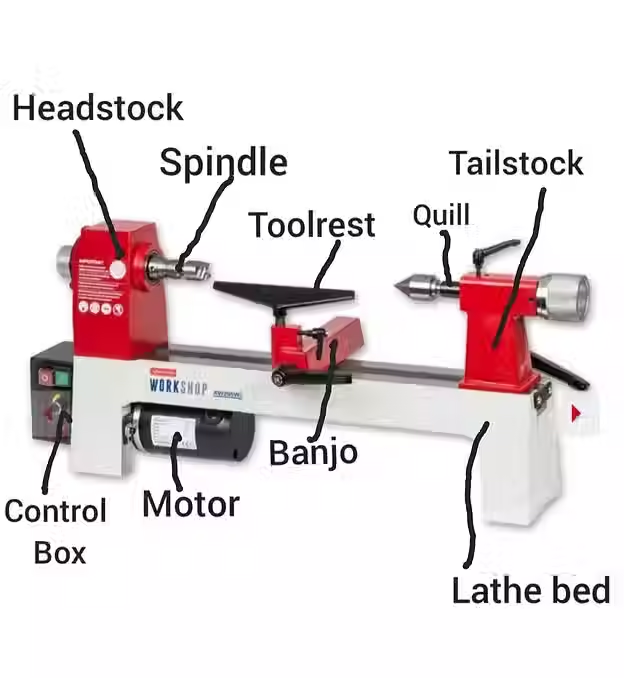
The headstock should be heavy and preferably made from cast iron, this houses the spindle of the lathe.
Most modern day lathes in UK have a standard spindle thread of 33 x 3.5 mm
and a morse taper No 2in the spindle and tailstock quill.
The bed, tailstock assembly, banjo and legs would preferably be made from cast iron and be heavy. The heavy gauge castings help tremendously keeping vibration to a minimum. The tool rest on most lathes today is still made from cast iron, personally I prefer a steel one with a steel dowel along the top with no shoulders which I find get in the way for certain cuts like a shearing cut with the wing of the bowl gouge. The control box having the ability to be attached virtually anywhere on the lathe body via strong magnets is a very nice convenience the controller should house the start and stop buttons variable speed control and fwd and reverse facility.
Motor wise i would be looking for at least a 750 watt motor which is equals 1 British horsepower.
Upcoming content in future blog entries
Setting up your first woodturning workshop
"woodturning tool selection"
"PPE personnel protective equipment"
"mini lathe vs full size lathe"
"essential woodturning tools checklist"
"carbide vs HSS woodturning tools"
"best wood for beginners"
"easy wood lathe projects for beginners"
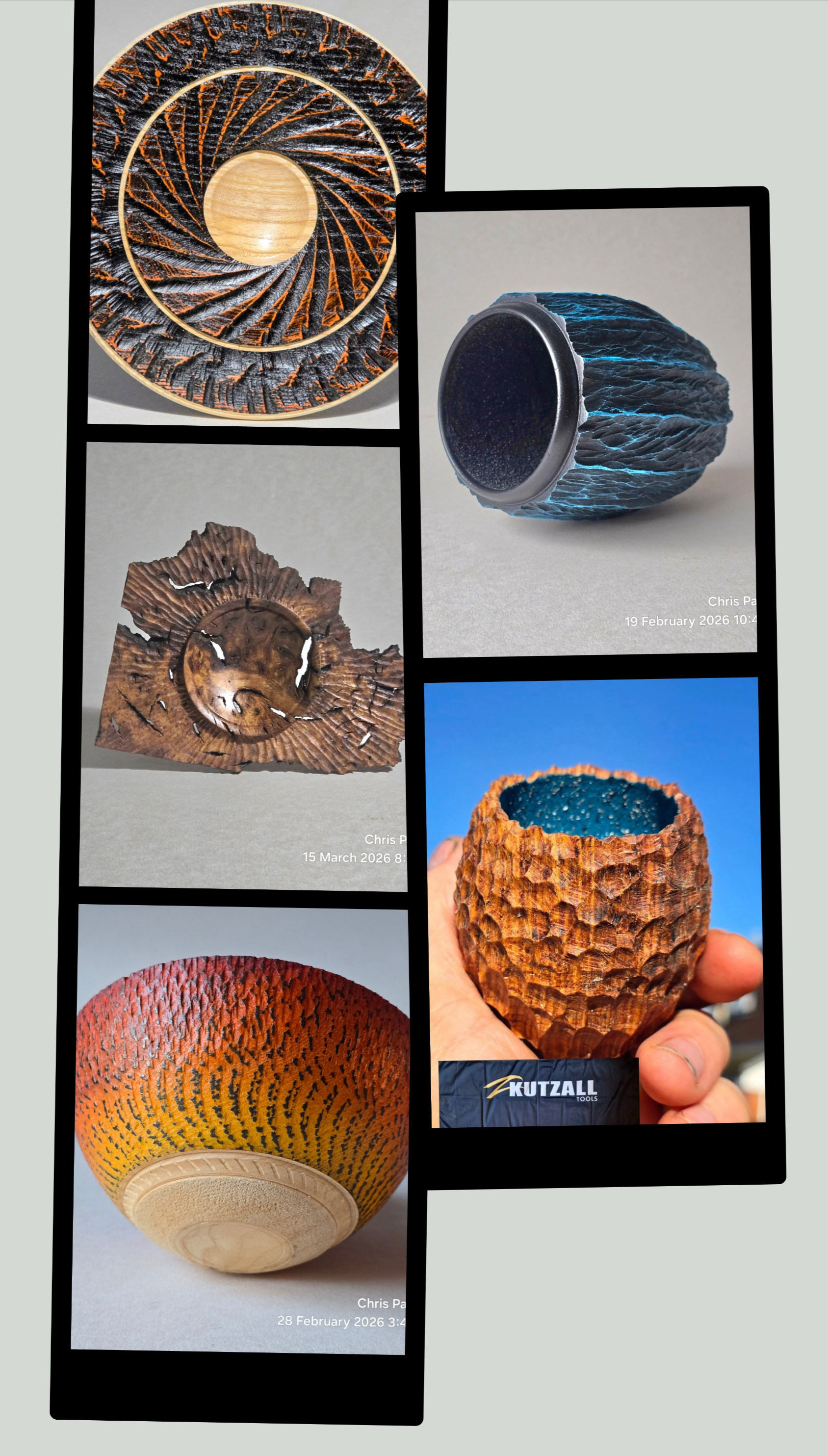
Few hobbies offer such a direct link between hand, tool, and material. A plain blank becomes something useful or beautiful, often in a single session. The shavings pile up, the grain appears, and every piece teaches something.
Comments